

If your home’s siding has lost its vibrant color and looks dull, you’re not alone. Many homeowners in the Raleigh area notice fading over time and wonder why it happens, especially after investing in new siding. Understanding the common causes can help you prevent future fading and maintain strong curb appeal. Below are the top reasons siding often loses its color and how you can address them with support from trusted home exterior remodeling companies.
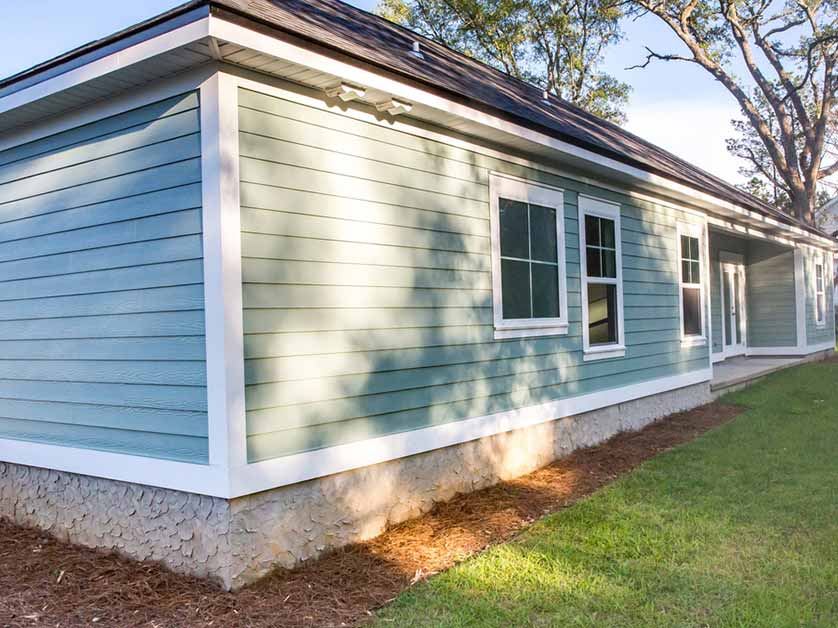
1. Sun Exposure and Ultraviolet (UV) Rays
The Triangle region is known for its plentiful sunshine and warm climate, particularly in the spring and summer months. Prolonged exposure to direct sunlight is one of the most common reasons for siding color loss. UV rays break down the pigments in siding materials, especially if your siding faces south or west, where the sun exposure is strongest. Over time, this will cause even high-quality vinyl and fiber cement to become weathered and less vibrant. Choosing siding products with UV-resistant technology and consulting with reputable siding contractors can help you prevent rapid color degradation.
2. Low-Quality Siding Materials
Not all siding is made with the same durability and color retention properties. Builder-grade and older siding materials are prone to fading much faster compared to modern engineered products. In Raleigh’s climate, where heat and humidity fluctuate from season to season, low-quality siding can break down rapidly, resulting in chalkiness or washed-out colors. Homeowners often find it worthwhile to invest in premium products recommended by leading local contractors to ensure lasting vibrancy and protection.
3. Mold, Mildew, and Algae Growth
With Raleigh’s humid summers and frequent storms, moisture issues can lead to unwanted organic growth on siding surfaces, especially in shaded or north-facing areas. Mold, mildew, and algae do not just affect appearance; they also leave green or black stains that mask or alter the original color. When left untreated, this buildup can accelerate fading and make cleaning more difficult. Regular maintenance, including gentle washing and proper landscaping to promote airflow, reduces these risks.
4. Environmental Pollutants and Contaminants
Fading can also be caused by accumulated pollutants from traffic, trees, and industrial emissions. Pollen, dust, and airborne chemicals settle on siding, and over time, these contaminants can cause discoloration or a dull finish. The longer these substances remain, the more challenging they become to remove, making annual cleanings important for maintaining color longevity.
5. Harsh Cleaning Methods and Chemicals
Trying to brighten faded siding with harsh cleaning solutions or high-pressure washers often does more harm than good. Using bleach-heavy or abrasive cleaners strips away protective coatings, making siding more susceptible to sun damage and premature fading. Raleigh homeowners should always use gentle, siding-specific cleansers and consult with professional siding contractors for best cleaning practices and scheduled maintenance services.
6. Improper Installation and Insufficient Ventilation
Incorrectly installed siding can leave gaps or trap moisture, especially in the unpredictable climates found in the Raleigh area. Poor ventilation behind siding material results in condensation and moisture buildup, which further accelerates fading and can even affect underlying wall structures. Working with local experts ensures installation is performed with regional weather in mind, allowing for optimal ventilation that extends the lifespan and beauty of your home’s exterior.
Ready to Refresh Your Faded Home Exterior?
If you’re concerned about siding that’s lost its curb appeal or you’re experiencing fading alongside other exterior wear, consult with leading home exterior remodeling companies. Triangle Home Exteriors is the go-to choice for roof replacement and siding upgrades that are tailored to withstand our region’s unique climate. Contact us today to renew your home’s beauty and discover long-lasting, vibrant solutions in Raleigh, NC. Call us at (919) 615-1101 or fill out our online form to get started.